
There are places in the world where history lingers in the air, where the stones beneath your feet whisper stories of ancient civilizations. Karnak Temple in Luxor is one of those places. It is not just a collection of ruins—it is a masterpiece of devotion, power, and artistry spanning over 2,000 years. Standing among its towering columns and intricate carvings, you don’t just visit Karnak-you step into the heart of ancient Egypt, where pharaohs once walked, gods were worshiped, and history was carved in stone.
A Temple of Kings: The Evolution of Karnak
Karnak was more than just a place of worship; it was the spiritual heart of ancient Egypt, dedicated primarily to Amun-Ra, the sun god. Its construction began during the Middle Kingdom (around 2000 BCE), but it was under the New Kingdom (1550–1070 BCE) that Karnak reached its peak. Pharaohs such as Hatshepsut, Thutmose III, Seti I, and Ramses II each left their mark, expanding the complex with temples, obelisks, and courtyards.
Each dynasty added something unique: Hatshepsut erected towering obelisks to solidify her divine authority, while Thutmose III built the Festival Hall, where grand ceremonies took place. The walls of the temple are like a massive storybook, with hieroglyphic inscriptions recording battles, religious rituals, and the divine lineage of Egypt’s rulers.
The Grand Entrance: Avenue of the Sphinxes
Before even stepping into Karnak, visitors are greeted by a breathtaking sight—the Avenue of the Sphinxes. This 2.7-kilometer pathway once connected Karnak with Luxor Temple, lined with hundreds of ram-headed sphinxes meant to protect the sacred complex. Walking along this ancient road, with the warm desert breeze carrying echoes of past processions, is a surreal experience.
The Hypostyle Hall: A Forest of Stone
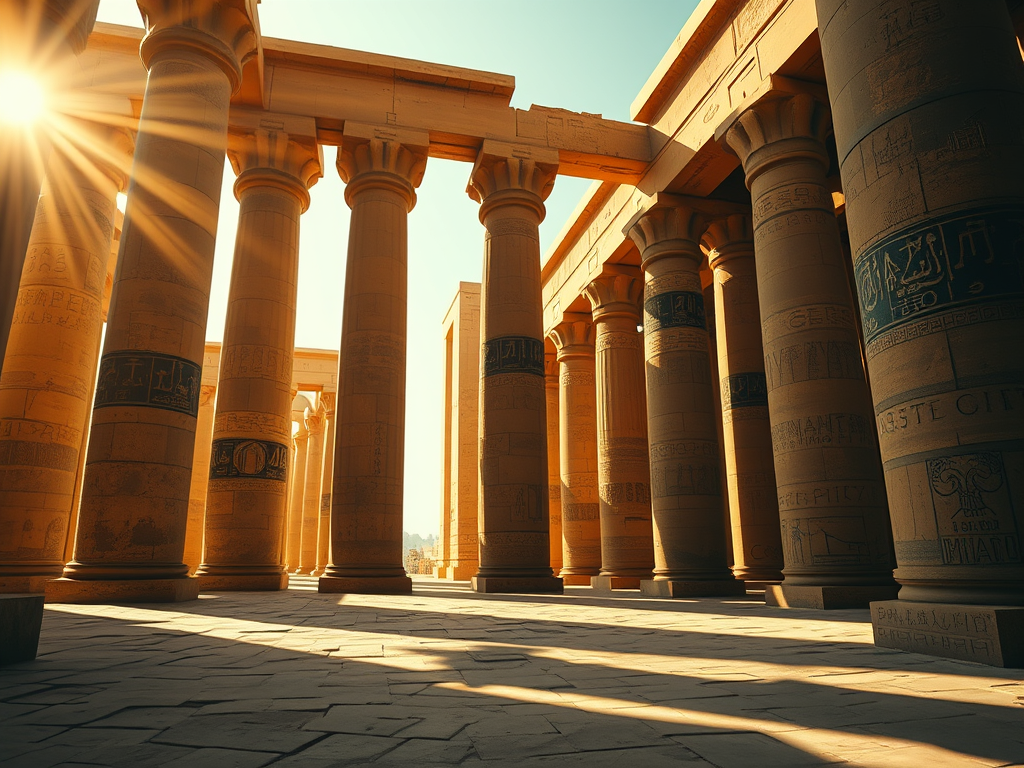
Stepping into the Great Hypostyle Hall is a moment that stays with you forever. It is one of the most breathtaking sights in Karnak—a vast space filled with 134 massive sandstone columns, some towering over 20 meters high. The sheer scale of this hall makes you feel like an ant in a forest of stone.
As sunlight filters through the spaces between the columns, it casts shifting patterns across the intricate hieroglyphs and carvings. Each column is decorated with inscriptions of gods, kings, and offerings, their original colors faded but still visible in certain places. If you run your fingers along the stone, you can feel the chiseled grooves left by artisans over 3,000 years ago. The carvings tell stories of military triumphs and divine blessings, most notably Seti I and Ramses II honoring Amun-Ra.
Hatshepsut’s Obelisks and the Sacred Lake
Beyond the Hypostyle Hall, Karnak unfolds like a labyrinth of sanctuaries, hidden chapels, and monumental structures. One of the most impressive sights is Hatshepsut’s obelisk, a towering monolith standing at nearly 30 meters—the tallest surviving obelisk from ancient Egypt. The inscriptions on its surface declare her divine right to rule, a powerful statement in an era dominated by male pharaohs.
Nearby, the Sacred Lake glistens under the Egyptian sun. Used for ritual purification by priests, this vast basin once played a key role in temple ceremonies. Standing by its edge, with the distant sound of birds and the occasional splash of water, you can almost picture the priests preparing for their daily rituals, the flickering light of torches reflecting off the water’s surface.
Notable Artifacts and Hidden Treasures
Karnak is home to some of Egypt’s most fascinating artifacts. Among them is the Karnak King List, an inscribed wall in the Festival Hall of Thutmose III, listing pharaohs from past dynasties—a rare historical record that helped scholars piece together Egypt’s lineage.
Another must-see is the remnants of the Red Chapel of Hatshepsut, originally a shrine for the sacred boat of Amun. Though partially reconstructed, the vibrant carvings give insight into the grandeur of religious processions that once took place here.
Karnak After Dark: The Sound and Light Show
While Karnak is awe-inspiring by day, it becomes magical at night. The Karnak Sound and Light Show transforms the temple into an open-air theater, using dramatic lighting and narration to bring its history to life. Walking through the illuminated ruins under a canopy of stars is a mesmerizing experience—one that makes you feel like the spirits of the past are still present, whispering their stories through the wind.
Tips for Visiting Karnak Temple
For those planning to visit, here are some essential tips:
• Best Time to Visit: Early morning (before 10 AM) or late afternoon to avoid the intense midday heat. If possible, visit during the winter months (November–March) when the weather is more pleasant.
• What to Bring: Comfortable walking shoes, a hat, sunglasses, and plenty of water. The site is vast, and there’s little shade.
• Guided Tour or Solo Exploration? A guided tour can provide deeper insight into Karnak’s rich history, but if you prefer to explore at your own pace, renting an audio guide or reading up beforehand will help enhance your experience.
• Don’t Miss: The obelisks, the Sacred Lake, the Karnak King List, and the towering columns of the Hypostyle Hall.
Final Thoughts: A Timeless Marvel
Karnak Temple is not just an archaeological site—it is a journey through Egypt’s golden age. It is a place where gods were worshipped, where pharaohs solidified their legacy, and where history was literally set in stone.
Leaving Karnak, you can’t help but feel humbled by its scale, its artistry, and its sheer endurance through the centuries. The temple stands as a testament to human ambition and devotion, a reminder that even in a world constantly changing, some things remain timeless.